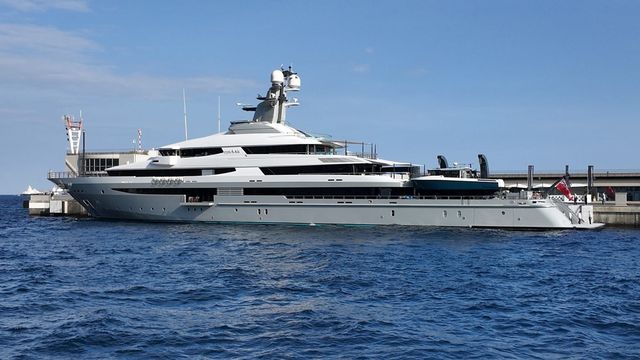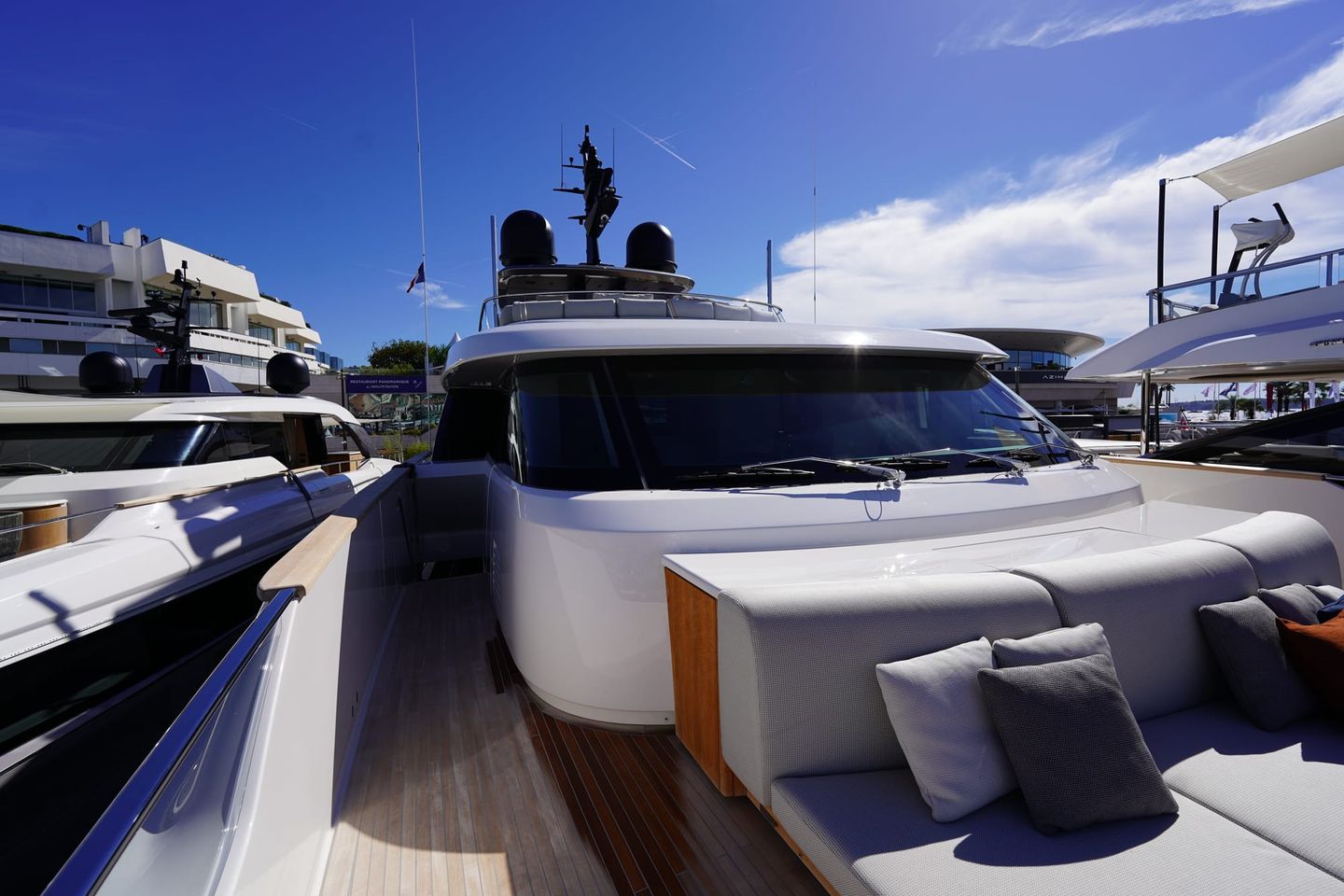
Luxury yacht ownership is undergoing a transformation. Rising operating costs, new ownership models, a growing global charter market and the shift towards sustainability are redefining how individuals approach owning a yacht. Ownership is no longer only an emotional decision – it is increasingly planned like a long-term asset strategy.
Why the traditional model is changing
For decades, yacht ownership followed a simple pattern: buy a yacht, use it for a few weeks a year and carry the full costs alone. In practice, many yachts spend most of the year in the marina. At the same time, the costs of crew, maintenance, insurance, berths and fuel continue to rise. As a rule of thumb, annual operating costs are often estimated at around 8 to 12 per cent of the purchase price – a figure that makes owners look more closely at how their yacht is used and financed.
Four ownership models shaping the future
- Full private ownership: maximum freedom and privacy, but the owner carries all costs. Still the preferred model for owners who use their yacht intensively.
- Ownership with charter management: the yacht is chartered out during periods the owner does not use it. Charter income can offset a significant share of operating costs – see our article Understanding Charter Income and Asset Value.
- Co-ownership and shared models: several owners share one yacht and its costs according to a contractual usage plan. Attractive for owners who only need a few weeks per year.
- Charter instead of ownership: a growing number of clients choose to charter different yachts in different regions rather than commit to one vessel.
New build, brokerage or refit?
The way yachts are acquired is also changing. Alongside custom new builds with long build times, the brokerage market offers immediate availability and established service histories. A third option is gaining importance: factory refit programmes, in which shipyards bring pre-owned yachts back to near-new condition with a manufacturer warranty – as with Lagoon NEO by Groupe Beneteau. For many buyers, this combines the value of a used yacht with the security of a new one.
Sustainability and technology
Future owners increasingly expect lower emissions, quieter operation and efficient energy management. Hybrid propulsion, battery systems and alternative fuels are moving from prototypes into production yachts – read more in How Sustainability Is Reshaping Yacht Engineering. Digital systems for predictive maintenance and remote monitoring also help to reduce downtime and costs, as described in Autonomous Yachts and Artificial Intelligence.
What future owners should consider
- How many weeks per year will the yacht really be used – and where?
- Is charter income part of the financing concept, and does the yacht suit the charter market?
- What are realistic operating costs including crew, maintenance and berth?
- Which flag, tax and ownership structure fits the owner’s situation?
- How will the yacht’s value develop – and what is the exit strategy?
Conclusion
The future of luxury yacht ownership is more flexible, more transparent and more sustainable. The right model depends less on the yacht itself than on how, where and how often it will be used. Careful planning before the purchase is therefore the most important investment an owner can make.
Would you like to discuss which ownership model suits you? Book a private yacht advisory session with MUTINYQUE.